




Interior vs. Exterior Waterproofing
Many homeowners are familiar with the hassle and expenses of a wet basement. If moisture becomes a problem in your basement, it can cause problems. It can lead to water stains, flooding, water pooling, mold growth, rotting or rusting, and more. The issues are expensive to fix and can also pose a hazard to your health and safety.
Interior Waterproofing
However, many people are intimidated by the wide range of options for basement waterproofing. Most waterproofing contractors offer interior and exterior waterproofing services. However, homeowners do not always know the best solution for their home. To determine which one is best for you, it is important to understand the basics of interior and exterior waterproofing.
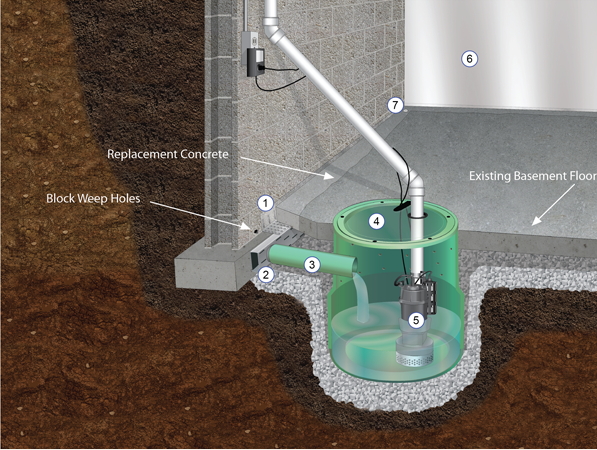 Interior waterproofing is a method by which water that leaks into the basement is rerouted out and away from the home. Interior drainage systems usually consist of a series of pipes and drains installed along walls to catch seepage or under the foundation to collect excess groundwater. The pipes and drainage systems are often surrounded by crushed rock. This better allows the water to drain and keeps it from pooling around or under the foundation. This excess water is carried to a sump pit, a large basin that holds and stores water. Although the water that is collected in the perforated pipes usually flows into the sump pit under the basement floor, a drain is generally installed on the basement floor above the sump pit. This will allow water to drain directly into the pit if the basement floods.
Next, the sump pump, which sits inside the sump pit, pumps water out of the basement and away from the home before it can cause damage. Most sump pumps automatically start pumping when the water level in the sump pit reaches a certain level. Many are also equipped with a battery backup to continue running without electricity, keeping your home safe and dry even in the event of a severe storm or unexpected power outage. Another component that exists in some interior waterproofing systems is a vapor barrier. Vapor barriers are damp-proofing materials, such as plastic or foil sheeting, installed along walls to seal out moisture. They work to prevent the diffusion of water vapor through walls and floors and are often used in damp crawlspaces to keep the area dry.
An interior drainage system is excellent at removing water from a wet basement. A sound interior drainage system can reduce the risk of property loss in the event of a flood and is a good solution if you live in an area that receives heavy rainfall year-round. One downside of interior drainage systems is that they can only remove water that enters the basement; they are not the most effective way to prevent water from getting into the cellar in the first place.
Exterior Waterproofing
The next option is exterior waterproofing. Its two fundamental components are surface drainage and exterior drainage systems.
 The surface drainage system is the first line of defense against water and consists of gutters, downspouts, and grading around the home. Ensuring your exterior drainage system is in good shape is relatively simple. First, ensure that the gutters are correctly angled and are not clogged. Gutters should be cleaned once or twice a year to ensure they drain effectively. Next, check the downspouts to see that they extend a sufficient distance from the house. If the downspouts do not extend far enough, they will dump the water too close to the foundation. This causes even more water issues. The ground around your home is also an essential factor. It should be adequately sloped to ensure that water flows away from the house and does not pool around the foundation.
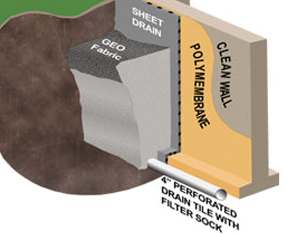
In addition to surface drainage, an exterior drainage system is an effective way to keep water from entering the basement. There are many key parts to a sound exterior drainage system. Because it focuses on the exterior of the foundation, it is most convenient to install it when the home is first constructed. This is something to consider if you are planning to build a new home or add an addition.
Another component of an exterior drainage system is a french drain or drain tile system. This system starts with a trench dug along the foundation of the home. Then, perforated drain tiles are installed in the trench and surrounded by gravel. The entire system is covered with soil, then graded so water runs away from the foundation. This system does require some excavation, but the results can be well worth it. The drain tiles will carry water away from the foundation before entering the basement, keeping your home drier and safer.
Which Should You Choose?
Both systems have advantages and disadvantages. The main difference between exterior and interior waterproofing is that exterior waterproofing prevents water from entering the home, while interior waterproofing removes water that has already entered the house. Check out this brief video to learn more:
Have a professional waterproofing contractor examine your home and determine the cause of the water problems. Then, the experienced team can help you decide the best course of action for your situation. The experts at Rapid Foundation Repair are happy to help you with all of your interior and exterior waterproofing needs. Contact us today for an estimate!