




Home > Crawl Space Repair > Vapor Barriers
Vapor Barriers for South Dakota, Wyoming, and Nebraska
Waterproofing Your South Dakota Home With Vapor Barriers
Keep moisture out of areas where it doesn’t belong, with vapor barriers to prevent moisture problems like wood rot, pests, and mold. Remember that humidity levels in your area are a significant factor in the air’s moisture. All living things also contribute to the moisture level in a home. Examples include cooking, house plants, showers, and even breathing. During winter, your home is heated to a higher temperature than the air outside. Air naturally tends to move from a warm area to a cold place, so the heated air in your home always tries to move toward the ceiling, the floor, and the outside walls, carrying moisture vapor with it.
Crawl Space Repair Options for South Dakota
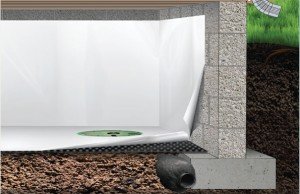
Homes with musty, damp basements should look into having vapor barriers installed. Any material used for damp proofing–typically foil or plastic sheets–is referred to as a vapor barrier. These sheets resist moisture diffusion through a wall, ceiling, or floor. In technical terms, most of these materials are vapor retarders since the materials have varying degrees of permeability. We need moisture in our homes to survive. However, if it gets into the wrong places in our homes and is allowed to stay there, it can do much damage.
For the above reasons, vapor barriers in most homes are necessary so that moisture cannot pass through to cause moisture problems to the structure. Plastic sheeting is an example of a barrier that moisture cannot permeate. Warm air in your home is trying to escape through the exterior walls, carrying moisture vapor. If it gets into the exterior walls, some will stay in them and condense back into a liquid, which can lead to big problems. Read more about crawl space encapsulation from our partners at ECP.
Call Rapid Foundation Repair for vapor barriers in South Dakota, Nebraska, and Wyoming.