




5 Signs You Need Foundation Repair: Why Timely Action Can Save Your Home
Your home’s foundation is its most critical structural element, providing stability and ensuring that your house remains safe and livable for years to come. However, like any part of a home, foundations can develop problems over time, often due to poor soil conditions, water damage, or natural settling. The key to preventing significant damage and costly repairs is recognizing the early signs of foundation trouble and taking immediate action. Below are five crucial signs that you may need foundation repair and why addressing these issues sooner rather than later is essential for the health and longevity of your home.
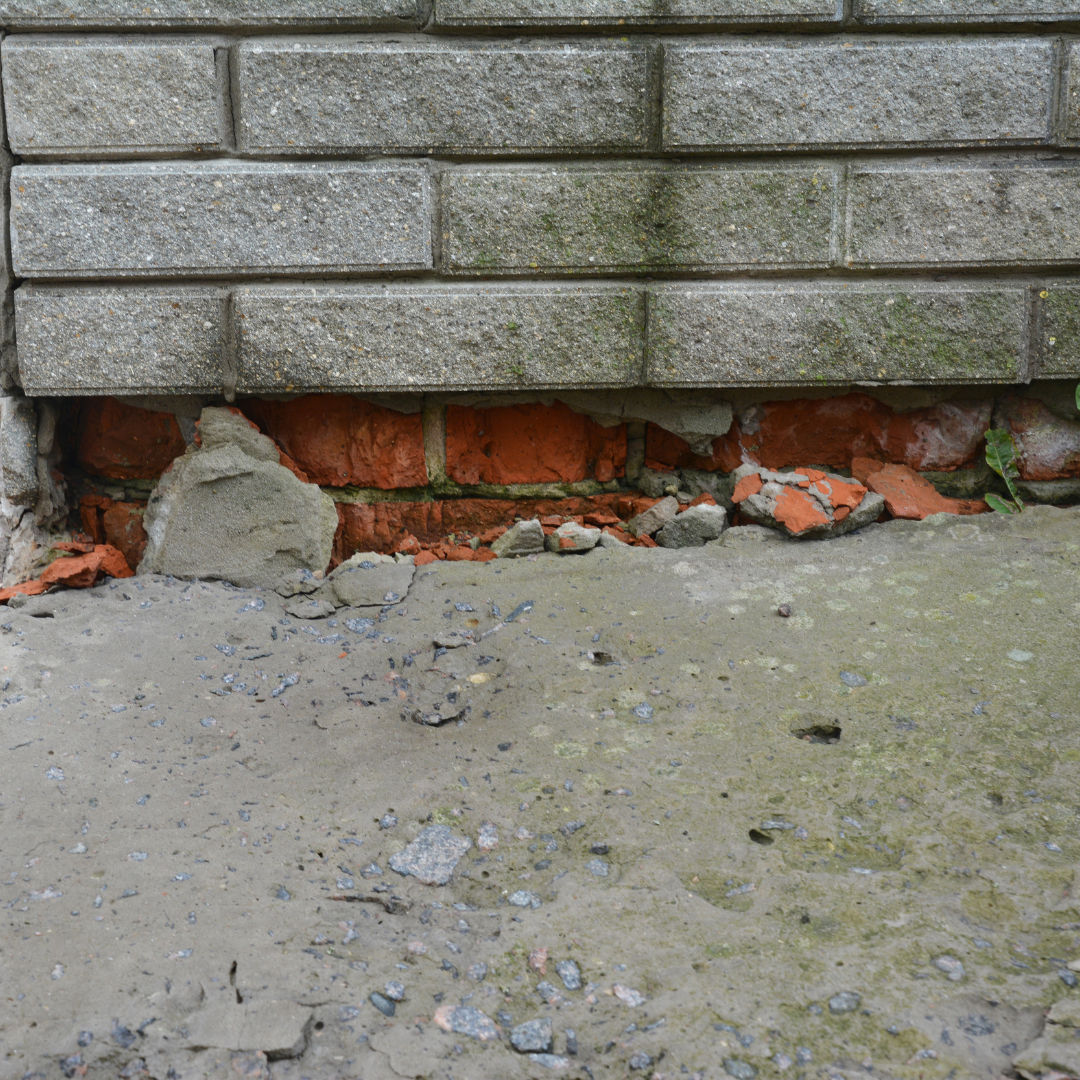
1. Cracks in Walls and Floors
One of the most obvious signs of foundation issues is the appearance of cracks in your walls, floors, or even the ceiling. These cracks may be vertical, horizontal, or zigzag-shaped, and they often signal that your foundation is shifting or settling unevenly. While small hairline cracks may be common in newer homes as they settle, larger or expanding cracks are a red flag that should not be ignored.
If you notice widening cracks, especially around doorways, windows, or along the foundation walls, it’s crucial to have a professional assess the situation. Left untreated, these cracks can grow, compromising the structural integrity of your home. Timely repairs can prevent further damage and save you from more extensive and expensive repairs down the line.
2. Doors and Windows Sticking or Misaligning
Have you noticed that your doors and windows are suddenly difficult to open or close? Perhaps they stick or don’t sit properly in their frames anymore. This could be a sign of foundation problems. When the foundation shifts, it can cause the framing of doors and windows to become misaligned, leading to these frustrating issues.
While it’s easy to dismiss a sticky door or a window that won’t open as a minor inconvenience, it could be a sign of a much larger problem beneath the surface. Ignoring these signs could lead to further misalignment and more significant structural issues, ultimately compromising the safety and comfort of your home.
3. Uneven or Sloping Floors
Another sign of foundation issues is when your floors begin to slope or feel uneven underfoot. You might notice that furniture wobbles or that objects seem to roll across the floor on their own. This unevenness is often caused by the foundation settling unevenly or sinking in certain areas.
In severe cases, uneven floors can create hazardous living conditions, increasing the risk of accidents and falls. If you suspect that your floors are sloping or uneven, it’s vital to have a foundation expert inspect your home. Addressing the problem early can prevent the need for more invasive and costly repairs later.
4. Gaps Around Exterior Doors or Windows
When a foundation begins to shift or settle, it can cause visible gaps to form around exterior doors and windows. These gaps not only indicate that your foundation may be in trouble, but they also reduce the energy efficiency of your home by allowing drafts and moisture to enter. Over time, this can lead to higher energy bills and even moisture-related issues like mold growth.
Sealing the gaps is only a temporary fix. The underlying foundation issue needs to be addressed to prevent further damage and restore your home’s structural integrity. A foundation repair professional can assess the cause of the gaps and recommend the best course of action to stabilize your foundation and protect your home from future damage.
5. Water Damage in the Basement or Crawl Space
Persistent moisture in your basement or crawl space can be a major sign that your foundation is compromised. Water infiltration can weaken the foundation, leading to cracks, bowing walls, and other structural problems. If you notice dampness, pooling water, or even mold growth in your basement or crawl space, it’s essential to address the problem immediately.
Foundation problems related to water damage often worsen over time, especially in areas with heavy rainfall or poor drainage. Waterproofing your basement or crawl space is crucial in protecting your home’s foundation from further damage. Additionally, repairing any foundation cracks or weaknesses caused by water will help prevent future issues and keep your home safe and dry.
Why Timely Foundation Repair Is Critical
Foundation issues are not something to take lightly. Ignoring early signs can lead to severe structural damage, costly repairs, and even safety hazards. By addressing foundation problems as soon as they arise, you can save money, maintain the value of your home, and ensure the safety and comfort of your family. Early intervention is key to preventing further damage and ensuring that your home’s foundation remains strong for years to come.
Expert Foundation Repairs in Rapid City, SD
For professional foundation repair, waterproofing, and crawl space repair in South Dakota, trust Rapid Foundation Repair to protect your home. Our experienced team offers comprehensive services to address any foundation issues before they escalate. Whether you’re dealing with cracks, water damage, or sloping floors, we have the expertise to provide lasting solutions. Take action today! Get a free estimate or contact us at (605) 716-0300.