




8 Warning Signs Your Home’s Foundation May Be Failing (and When You Need Foundation Repair)
Are you concerned that your home’s foundation may be failing? When foundation problems begin, the warning signs often start small—a crack in the drywall, a sticking door, or a floor that no longer feels level. While these issues may seem minor at first, they can indicate movement beneath your home that shouldn’t be ignored.
The good news is that catching foundation problems early often allows for simpler, less expensive repairs than waiting until structural damage becomes more severe. Below are eight of the most common signs you need foundation repair, what causes them, and when it’s time to schedule a professional inspection.
Common Foundation Warning Signs at a Glance
If you’ve noticed one or more of these issues around your home, it may be time to have your foundation inspected:
- Cracks in walls, floors, or ceilings
- Uneven, sloping, or bouncy floors
- Sticking doors and windows
- Gaps near ceilings, floors, doors, windows, or trim
- Bowing or leaning walls
- Basement or crawl space moisture
- Leaning or pulling chimney or porch
- Plumbing issues
Not every crack means your foundation is failing, but multiple symptoms occurring together often point to an underlying structural issue.
1. Cracks in Walls, Floors, or Ceilings
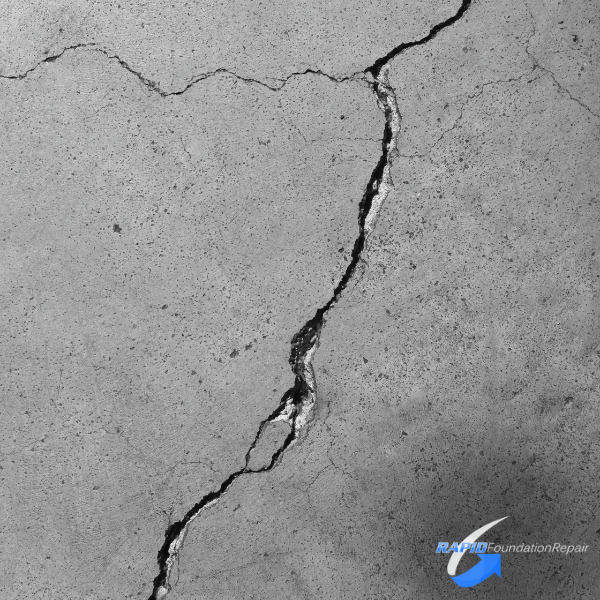
Cracks in your home’s walls, floors, or ceilings are often one of the earliest and most noticeable signs of foundation movement. As the soil beneath your home shifts or settles, stress is transferred to the structure above, causing materials like drywall, brick, and concrete to crack.
While small hairline cracks are normal as a house settles, larger, widening, or stair-step cracks can indicate shifting or sinking of the foundation.
🔹 What to Look For:
- Horizontal foundation wall cracks
- Stair-step cracks in brick or block walls
- Cracks wider than 1/4 inch
- Cracks that continue to grow over time
- Cracks appearing above doors and windows
If you spot significant cracking, especially near windows or door frames, it’s best to have your foundation inspected by a professional. Scheduling a foundation inspection sooner rather than later can help prevent additional structural damage.
2. Uneven or Sloping Floors
A sloping or uneven floor is a strong indication of foundation movement. This happens when the foundation settles unevenly, causing parts of your home to sink lower than others.
🔹 What to Look For:
- Floors that noticeably slope in one direction
- A feeling of imbalance when walking through a room
- Gaps between the flooring and baseboards
- Furniture that rocks on a flat surface
- A ball rolling across the floor on its own
- Floors that feel soft or springy
- Visible dips or uneven transitions between rooms
Uneven floors not only affect comfort but can also create safety hazards and signal that structural repairs are needed. If left unaddressed, uneven floors can worsen over time, leading to further structural instability.
3. Sticking Doors and Windows
If you’ve noticed that your doors and windows are suddenly difficult to open or close, it could be due to foundation movement. As the foundation settles, door and window frames may shift out of alignment.
🔹 What to Look For:
- Doors that won’t latch properly
- Windows that stick when opening or won’t stay closed
- Visible gaps around door or window frames
- Interior doors rubbing against the frame
- Exterior doors no longer sealing correctly
While seasonal humidity can occasionally cause similar symptoms, persistent problems—especially when combined with wall cracks—may indicate foundation movement. This issue is especially common in older homes and should not be ignored, as it can indicate foundation settlement or shifting.
4. Gaps Near Ceilings, Floors, Doors, Windows, or Trim
Another key sign of foundation failure is the appearance of gaps where walls meet the ceiling or floor. These gaps indicate that parts of the home’s structure are pulling away due to foundation movement. As a foundation shifts, it can pull portions of the home apart, also creating visible gaps around exterior doors, windows, siding, or trim.
🔹 What to Look For:
- Gaps that suddenly appear and continue to grow
- Spaces forming around built-in cabinets or countertops
- Walls that seem to be separating from the floor
If left unchecked, gaps can lead to:
- Water intrusion
- Air leaks and higher utility bills
- Insects and pests
- Moisture that contributes to mold growth
These separations are a result of an unstable foundation, which can cause long-term structural problems if left unchecked. Simply caulking these gaps rarely solves the underlying issue. If the foundation continues to move, the gaps will typically reopen over time.
5. Bowing or Leaning Walls
If your home’s interior or exterior walls appear tilted, bowed, or leaning, this is a warning sign of foundation failure. This typically occurs when soil pressure or moisture changes cause the foundation to shift.
🔹 What to Look For:
- Walls that appear to curve inward
- Cracks forming in a stair-step pattern along exterior brick walls
- Separation between walls and adjoining surfaces
Bowing walls can worsen over time, leading to significant structural instability and expensive repairs.
6. Excess Moisture or Water Damage in the Basement or Crawl Space
If you notice excess moisture, standing water, or musty odors in your basement or crawl space, it may indicate foundation cracks or drainage issues. Excess moisture can soften supporting soils, increase hydrostatic pressure against foundation walls, and accelerate structural movement. Foundation movement can create gaps that allow water to seep into your home.
🔹 What to Look For:
- Water stains on basement walls
- Puddles forming after heavy rain
- Mold or mildew growth on walls and floors
- Standing water
- Damp walls
- Musty odors
- White mineral deposits (efflorescence)
Water damage can lead to wood rot, mold growth, and further deterioration of the foundation, making it crucial to address the issue promptly.
7. Chimney or Porch Pulling Away from the House
A leaning chimney or detached porch is another red flag that your foundation is shifting or may be failing. Since chimneys and porches are heavy, they require stable support. If the foundation beneath them moves, they may start to pull away from the rest of the house.
🔹 What to Look For:
- Visible gaps between the chimney and exterior wall
- Cracks appearing in the mortar or bricks surrounding the chimney
- Porches that are tilting or separating from the main structure
- Stairs or stoops that have pulled away from the foundation of your home
A shifting chimney or porch can pose a serious safety hazard, so addressing the issue as soon as possible is essential.
8. Plumbing Issues Due to Foundation Movement
Many homeowners are unaware that persistent plumbing problems can contribute to foundation failure. On top of that, as the foundation shifts, it can cause pipes to crack or separate, leading to water damage and costly repairs.
🔹 What to Look For:
- Frequent leaks or burst pipes
- Sudden drop in water pressure
- Unexplained increases in water bills
If you’re experiencing recurring plumbing issues, it may be time to inspect your foundation for movement or damage.
Additional Signs of Foundation Failure
Although these eight signs are some of the most common indicators of foundation failure, they’re not the only ones. Also keep an eye out for problems such as:
- Garage column cracks
- Cracked or popping tiles
- Cabinet doors that don’t open or close right
If anything around your home doesn’t seem right, it’s worth having it checked out by a professional.
What Causes Foundation Problems?
Foundation problems don’t happen overnight. In many cases, they’re caused by changing soil conditions beneath your home.
Some of the most common causes include:
- Seasonal soil expansion and contraction
- Heavy rainfall or poor drainage
- Drought conditions that shrink soil
- Freeze-thaw cycles common throughout South Dakota, Wyoming, and Nebraska
- Improper grading around the home
- Plumbing leaks beneath the slab
- Poor soil compaction during construction
Some settling is normal. Most homes shift slightly in the first few years as the soil beneath them compresses, and that usually shows up as minor hairline cracks that stop growing.
Sinking is different. It happens when part of the foundation keeps dropping, often because of poor soil compaction, shifting moisture levels, or drainage problems, which leaves one side of the home lower than the other.
If cracks keep widening, floors slope, or gaps keep opening, your foundation may be sinking rather than settling. Learn more about the signs of a sinking foundation, or schedule an inspection to find out what’s happening beneath your home.
When to Schedule a Foundation Inspection
Many homeowners wonder whether they should wait to see if the problem gets worse. In general, it’s a good idea to schedule an inspection if you notice:
- Multiple warning signs occurring together
- Cracks that continue to expand
- Doors or windows becoming increasingly difficult to operate
- Noticeable floor movement
- Water entering your basement or crawl space after rain
- New structural changes that weren’t present before
An inspection can help determine whether the issue is cosmetic or requires structural repair, giving you peace of mind and helping you avoid larger repairs later.
What Happens During a Foundation Inspection?
A professional inspection is designed to identify both the symptoms and the underlying cause of foundation movement. During an inspection, a foundation specialist may:
- Evaluate interior and exterior cracks.
- Check doors, windows, and floor elevations.
- Inspect foundation walls and structural components.
- Look for drainage or moisture problems around the home.
- Recommend repair options, if needed.
Not every inspection results in foundation repair. Sometimes homeowners simply receive recommendations for drainage improvements or continued monitoring. Rapid Foundation Repair offers free estimates to help take the guesswork out of foundation repair. A professional can let you know how serious of a problem you have, and what your next step should be.
Frequently Asked Questions About Foundation Problems
Hairline cracks are often part of normal settling, especially in newer homes. Larger cracks, horizontal cracks, or cracks that continue growing should be evaluated by a professional.
Signs of foundation settlement may include wall cracks, sticking doors and windows, uneven floors, gaps around exterior openings, and visible foundation cracks.
Yes. Foundation movement typically doesn’t correct itself. As soils continue to shift, structural damage often becomes more extensive and more expensive to repair.
Coverage varies by policy. Damage caused by sudden covered events may qualify, while gradual settling or normal soil movement is often excluded. It’s always best to review your policy with your insurance provider.
Excess moisture is one of the leading contributors to foundation movement. Poor drainage, plumbing leaks, and hydrostatic pressure can all weaken supporting soils and place additional stress on foundation walls.
Watch for cracks that keep growing, floors that slope, and doors or windows that stick or no longer latch. Gaps where a porch, chimney, or wall is pulling away from the house are also common signs. Any one of these can have other causes, but several showing up together, or getting worse over time, point to a foundation that’s sinking rather than just settling. A professional inspection can confirm what’s happening and why.
Foundation repair is generally needed when there’s ongoing movement rather than cosmetic damage. Warning signs include cracks wider than 1/4 inch or that continue to grow, horizontal cracks or bowing in foundation walls, floors that keep sloping, and doors or windows that get harder to operate over time. Water coming in through the foundation is another sign. If the damage turns out to be stable, monitoring or a drainage fix may be all you need, and an inspection will tell you which. Foundation movement rarely corrects itself, so waiting usually means a larger, more expensive repair later.
Professional Foundation Repair in South Dakota, Wyoming, and Nebraska
Foundation issues can lead to severe structural damage, water infiltration, and safety hazards if left unaddressed. Recognizing the warning signs early can save you from expensive repairs and potential risks.
The thing to remember is that your foundation is probably the most important structural part of your home. It is always better to be cautious and schedule and inspection rather than play the wait-and-see card.
Rapid Foundation Repair provides expert foundation repair services in South Dakota, Wyoming, and Nebraska. Our experienced team specializes in foundation stabilization, basement waterproofing, and structural repairs, ensuring your home remains safe and secure.
If you are concerned that your foundation may be failing, don’t wait until the problem worsens. Schedule a professional foundation inspection today, or contact us to learn more about how we can help.